




Ciplox eye drops (ciprofloxacin 0.3%) are a widely prescribed ophthalmic antibiotic used to treat bacterial eye infections. As part of the fluoroquinolone class, ciprofloxacin works by inhibiting bacterial DNA replication, effectively stopping infection progression.
Understanding how these drops work, how to use them correctly, and what results to expect is essential for safe and effective treatment.
What Are Ciplox Eye Drops Used For?
Ciplox eye drops are primarily indicated for:
- Bacterial conjunctivitis
- Corneal ulcers
- Other bacterial infections of the eye surface
They are not effective against viral or allergic conditions.
If you want a full breakdown, this guide explains how Ciplox eye drops are used, including dosage and pricing details:
guide to Ciplox eye drops: uses, dosage, and pricing
How Ciplox Works
Ciprofloxacin blocks bacterial enzymes responsible for DNA replication. This stops bacterial growth and allows the immune system to clear the infection.
Typical Dosage




- Mild infections: 1–2 drops, 4 times daily
- More severe cases: more frequent dosing initially
- Treatment duration: usually several days to a week
Always follow medical instructions.
For medically reviewed information on ciprofloxacin eye treatments, see this clinical overview of ciprofloxacin ophthalmic use:
ciprofloxacin eye drops clinical guidelines
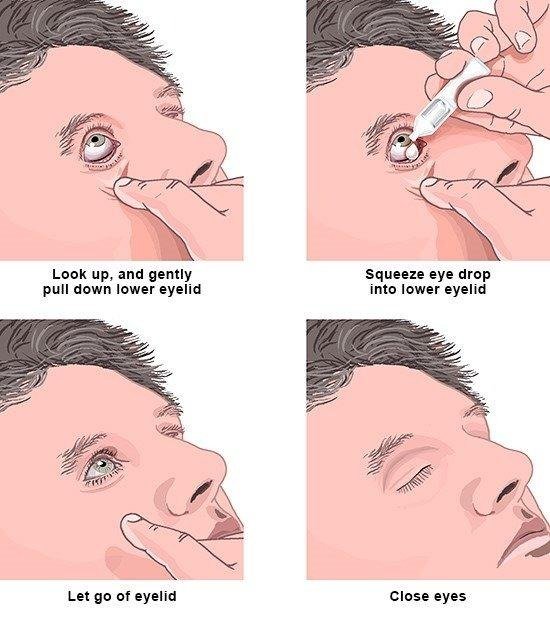
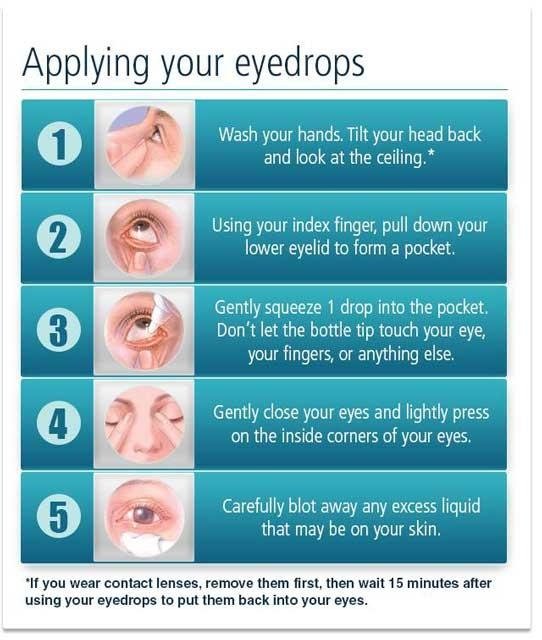
How to Use Eye Drops Properly
- Wash hands
- Tilt head back
- Pull lower eyelid down
- Apply one drop
- Close eyes briefly
Avoid touching the dropper tip to prevent contamination.
Side Effects
Possible side effects include:
- Mild burning
- Temporary blurred vision
- Irritation
These effects are usually short-lived.
Precautions
- Do not use for non-bacterial infections
- Avoid contact lenses during treatment
- Complete the full course
When to Seek Medical Help
Consult a doctor if:
- Symptoms worsen
- No improvement after a few days
- Vision changes occur
Conclusion
Ciplox eye drops are an effective and widely used treatment for bacterial eye infections. With correct use and adherence to guidelines, most patients experience rapid improvement.